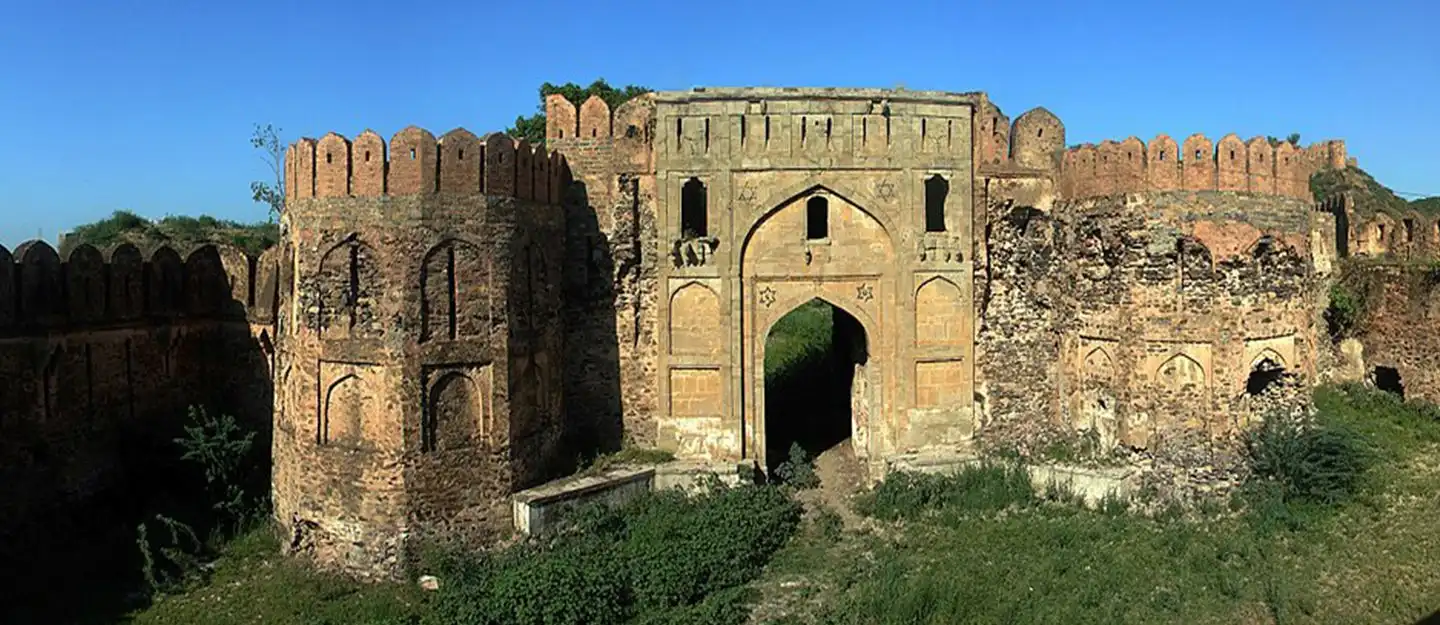
Perched strategically along the banks of the Indus River in Attock Khurd, Punjab, the Attock Fort stands as a monumental symbol of military strength and imperial vision. Built in 1581 CE by the Mughal Emperor Akbar the Great, the fort was designed to safeguard the crucial passage between the Indian subcontinent and Central Asia. Its location made it the first line of defense against invasions from the northwest, serving as both a military fortress and a gateway to the Mughal Empire. With its commanding presence, Attock Fort became one of the most important strongholds of Akbar’s reign.
The architecture of Attock Fort reflects the grandeur and practicality of Mughal engineering. Constructed mainly from red sandstone and limestone, the fort features massive bastions, arched gateways, watchtowers, and deep moats — all strategically designed for defense and surveillance. It includes four grand gates: the Delhi Gate, Kabul Gate, Lahore Gate, and Macedonian Gate, each symbolically pointing toward significant trade and invasion routes. Inside the fort were barracks, storerooms, and royal quarters, showcasing a blend of functional military design and aesthetic Mughal artistry. The layout demonstrates Akbar’s vision of architectural precision combined with imperial dominance.
Throughout history, Attock Fort has witnessed countless battles and political transitions. It passed through the hands of the Mughals, Sikhs, and British, each leaving their mark on its walls. During the Sikh era, it was strengthened by Hari Singh Nalwa, and later became a key British garrison during colonial rule. Today, the fort remains under the control of the Pakistan Army and is not open to the general public, though its majestic silhouette can still be admired from outside. Standing tall after more than four centuries, Attock Fort remains a proud emblem of Pakistan’s military heritage — a silent sentinel watching over the crossroads of history.
Weather Forecast
Today
22 May,2026
26° C

Fri
NearBy (Things To Do)
Hotel

Restaurants
Parks

Nearby Destinations
overcast clouds
25.5° C
Attock,Punajb
Attock Khurd Museum
Attock, Punajb, Pakistan

overcast clouds
24.83° C
Hassan Abdal,Punajb
Gurdwara Panja Sahib
Hassan Abdal, Punajb, Pakistan
scattered clouds
28.99° C
Wah Cantt,Punajb

Mughal Gardens Wah
Wah Cantt, Punajb, Pakistan

Recommended Destinations

clear sky 28° C
Multan,
Punajb

Fort Kohna Qasim Bagh
Multan, Punajb, Pakistan

clear sky 30.5° C
Sahiwal,
Punajb
Harappa
Sahiwal, Punajb, Pakistan

overcast clouds 27.81° C
Chakwal,
Punajb
Kallar Kahar Museum
Chakwal, Punajb, Pakistan

overcast clouds 24.31° C
Taxila,
Punajb
Mohra Muradu Monastery
Taxila, Punajb, Pakistan
scattered clouds 28.99° C
Lahore,
Punajb
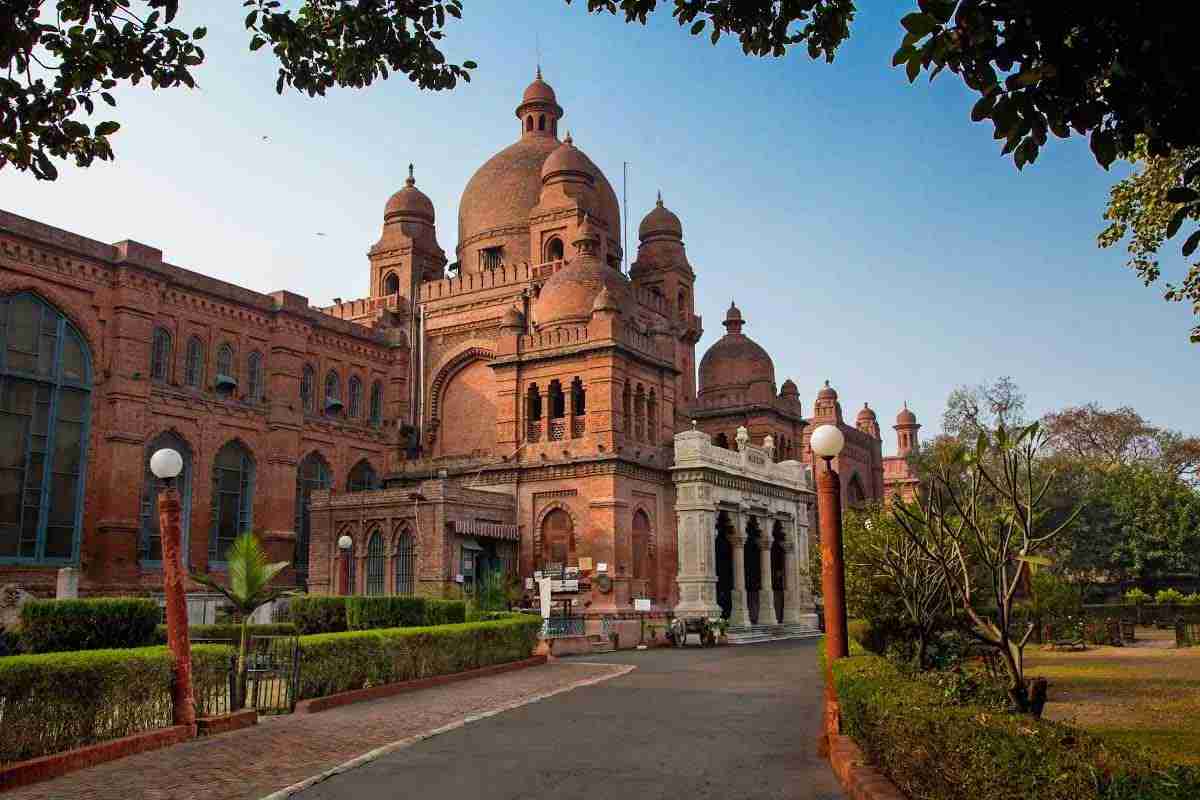
The Lahore Museum
Lahore, Punajb, Pakistan

scattered clouds 28.99° C
Dera Ghazi Khan,
Punajb
Fort Munroe
Dera Ghazi Khan, Punajb, Pakistan
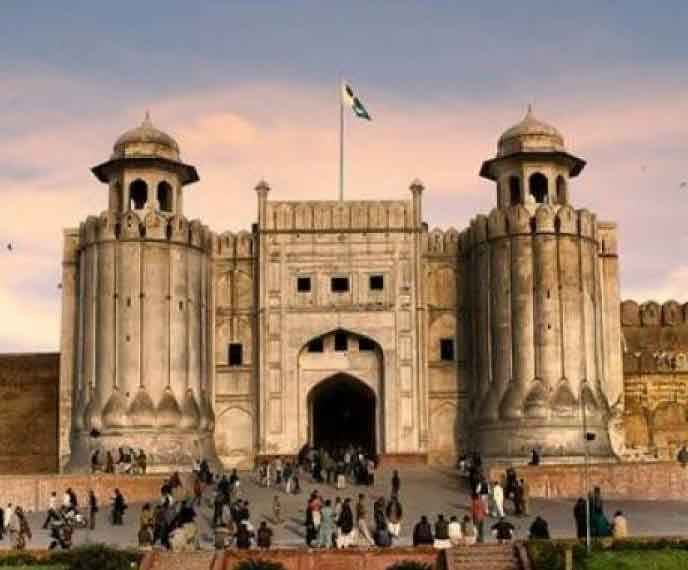
scattered clouds 28.99° C
Lahore,
Punajb
Lahore Fort
Lahore, Punajb, Pakistan

light rain 31.1° C
Jhelum,
Punajb

Rohtas Fort
Jhelum, Punajb, Pakistan
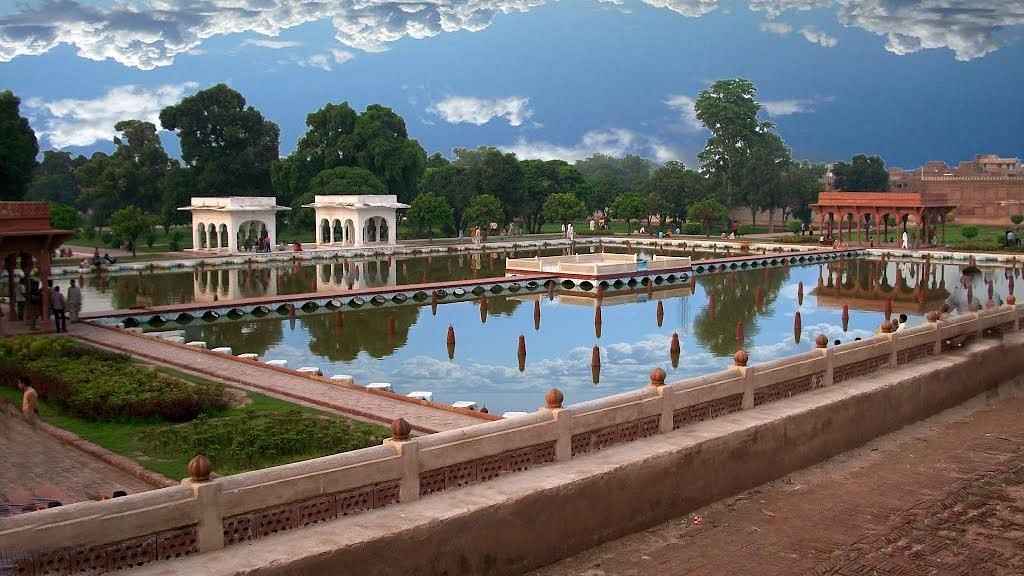
scattered clouds 28.99° C
Lahore,
Punajb
Shalimar Gardens
Lahore, Punajb, Pakistan
overcast clouds 25.5° C
Attock,
Punajb
Attock Khurd Museum
Attock, Punajb, Pakistan
clear sky 30.85° C
Bahawalpur,
Punajb
Bahawalpur Museum
Bahawalpur, Punajb, Pakistan
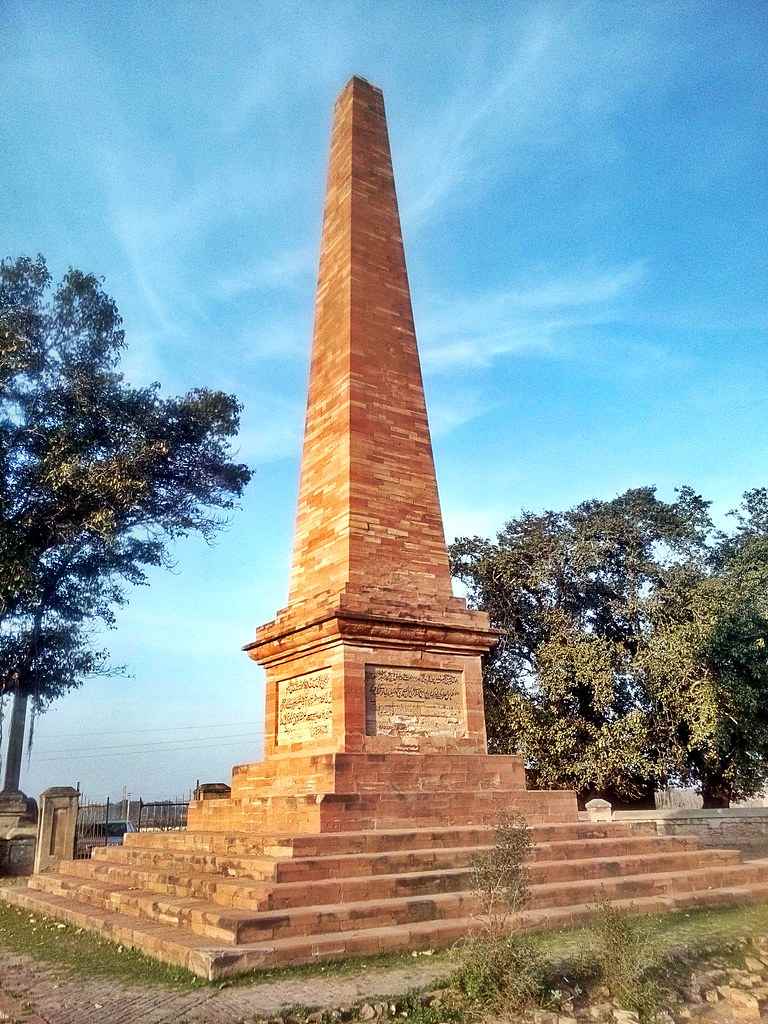
scattered clouds 28.99° C
Mandi Bahauddin,
Punajb
Battle of Chillianwala Monumen...
Mandi Bahauddin, Punajb, Pakistan

clear sky 30.85° C
Bahawalpur,
Punajb
Darbar Mahal
Bahawalpur, Punajb, Pakistan
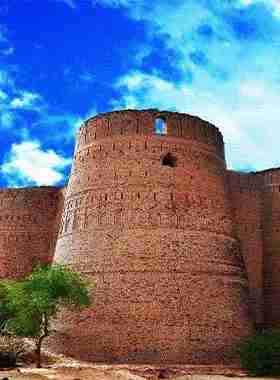
clear sky 30.85° C
Bahawalpur,
Punajb
Derawar Fort
Bahawalpur, Punajb, Pakistan

overcast clouds 24.48° C
Rawalpindi,
Punajb
Golra Museum
Rawalpindi, Punajb, Pakistan
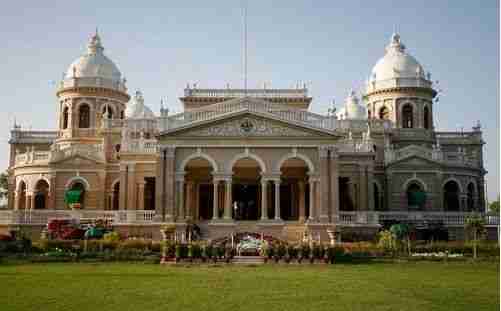
clear sky 30.85° C
Bahawalpur,
Punajb
Gulzar Mahal
Bahawalpur, Punajb, Pakistan

clear sky 31.06° C
Harappa,
Punajb
Harappa Museum
Harappa, Punajb, Pakistan

overcast clouds 27.81° C
Chakwal,
Punajb
Malot Fort
Chakwal, Punajb, Pakistan
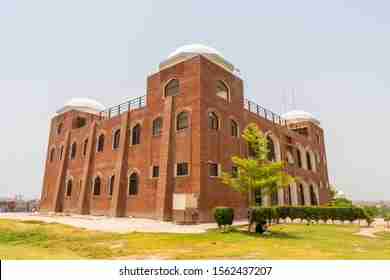
clear sky 28° C
Multan,
Punajb
Multan Fort
Multan, Punajb, Pakistan

overcast clouds 29.55° C
Baghan'wala,
Punajb
Nanadana Fort
Baghan'wala, Punajb, Pakistan

scattered clouds 28.99° C
Lahore,
Punajb
National History Museum
Lahore, Punajb, Pakistan

clear sky 30.85° C
Bahawalpur,
Punajb
Noor Mahal
Bahawalpur, Punajb, Pakistan

overcast clouds 31.33° C
Chiniot,
Punajb
Omar Hayat Palace
Chiniot, Punajb, Pakistan

clear sky 27.64° C
Gujrat,
Punajb
Ram Pyari Museum
Gujrat, Punajb, Pakistan

overcast clouds 24.48° C
Rawalpindi,
Punajb
Rawat Fort
Rawalpindi, Punajb, Pakistan
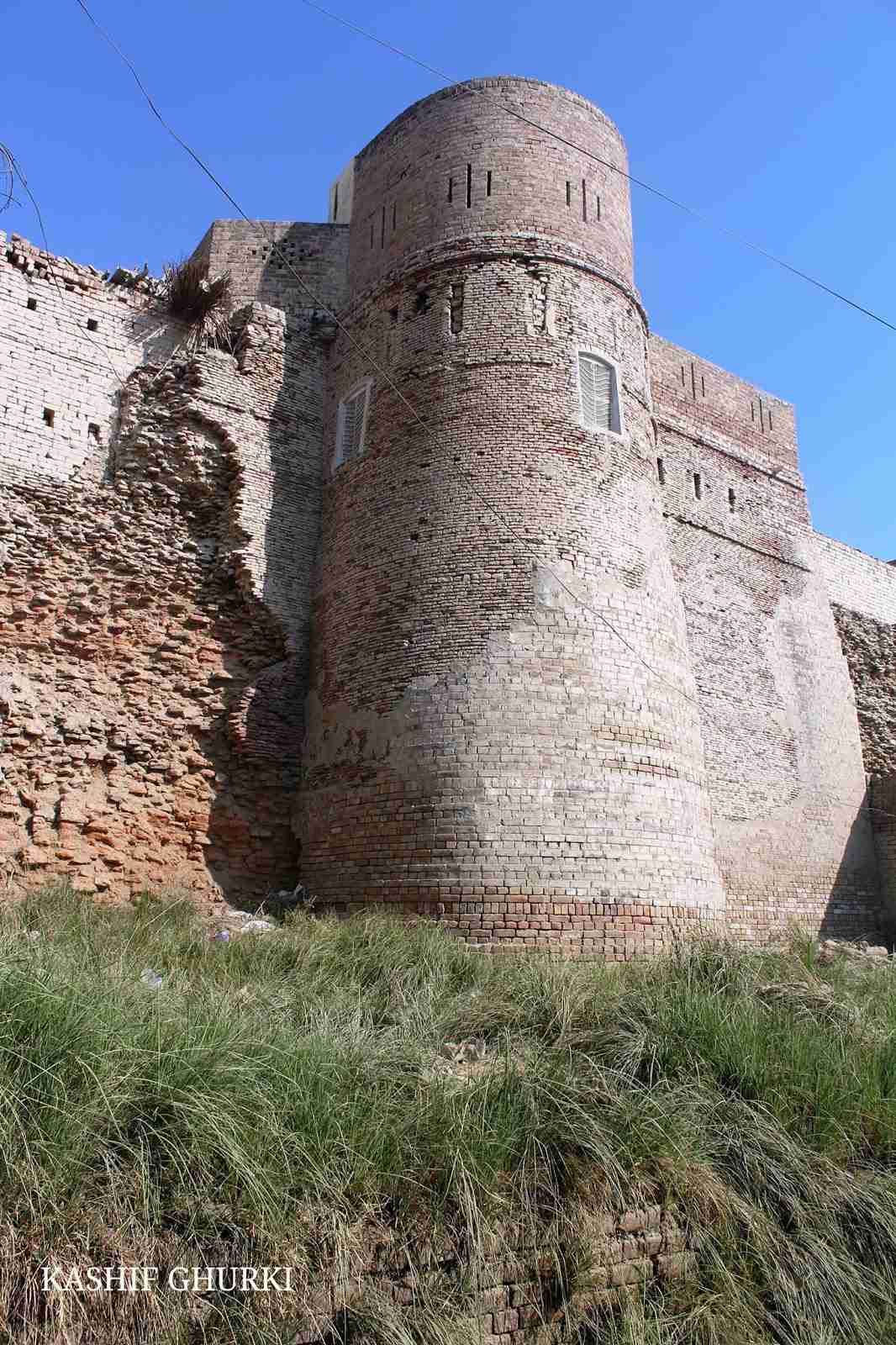
clear sky 32.02° C
Depalpur,
Punajb
Remains of Depalpur Fort
Depalpur, Punajb, Pakistan

clear sky 28.94° C
Islamgarh,
Punajb
Remains of Islamgarh Fort
Islamgarh, Punajb, Pakistan

light rain 28.27° C
Sialkot,
Punajb

Sialkot Fort
Sialkot, Punajb, Pakistan
overcast clouds 24.31° C
Taxila,
Punajb
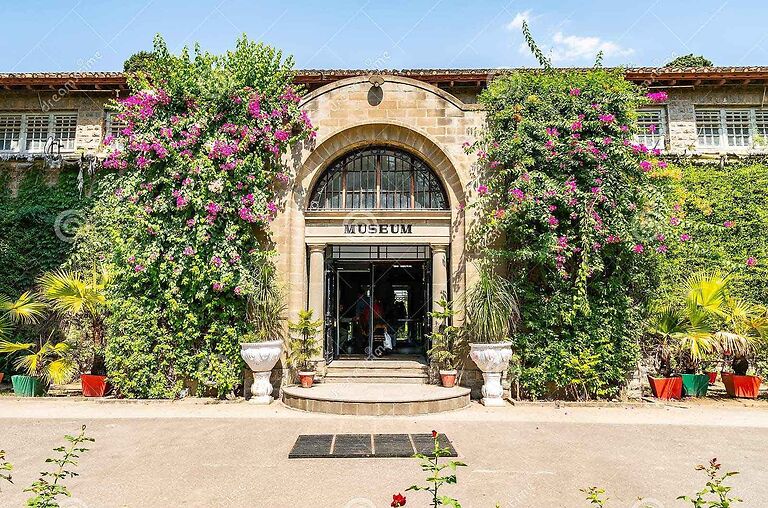
Taxila Museum
Taxila, Punajb, Pakistan
clear sky 28° C
Multan,
Punajb
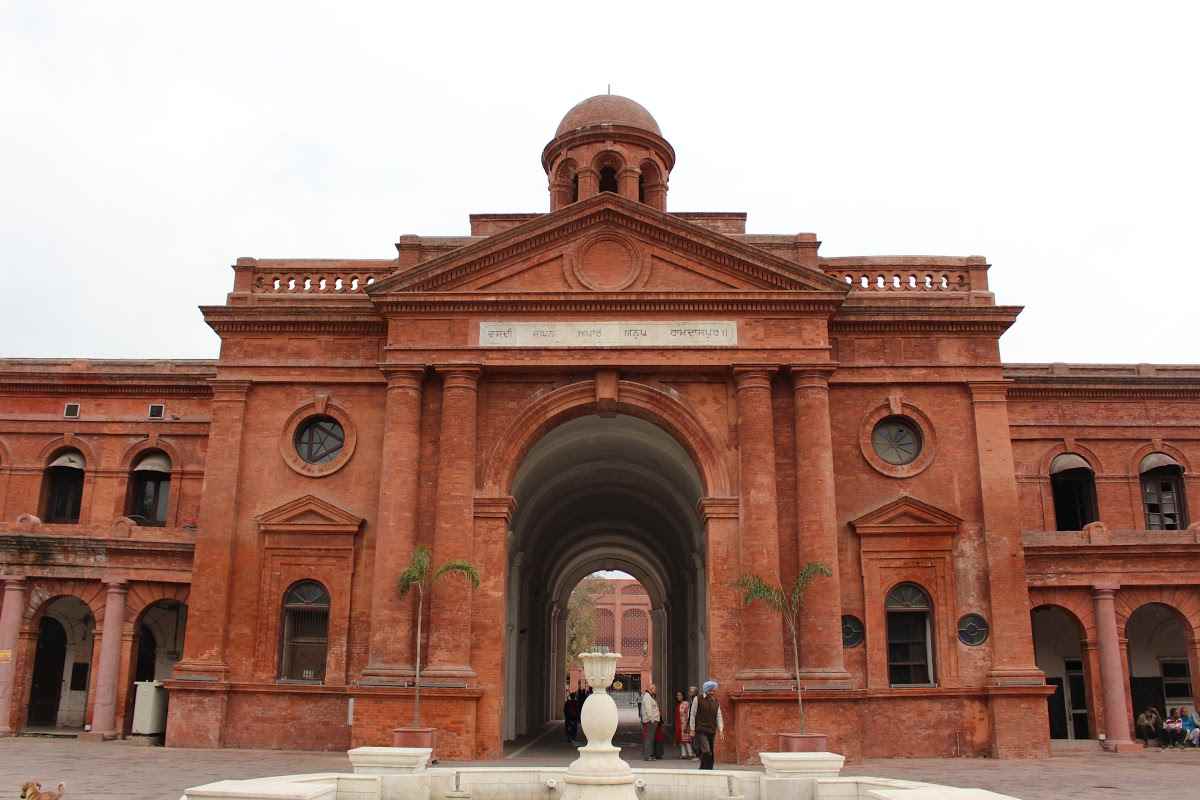
Town Hall Museum
Multan, Punajb, Pakistan
light rain 31.1° C
Jhelum,
Punajb
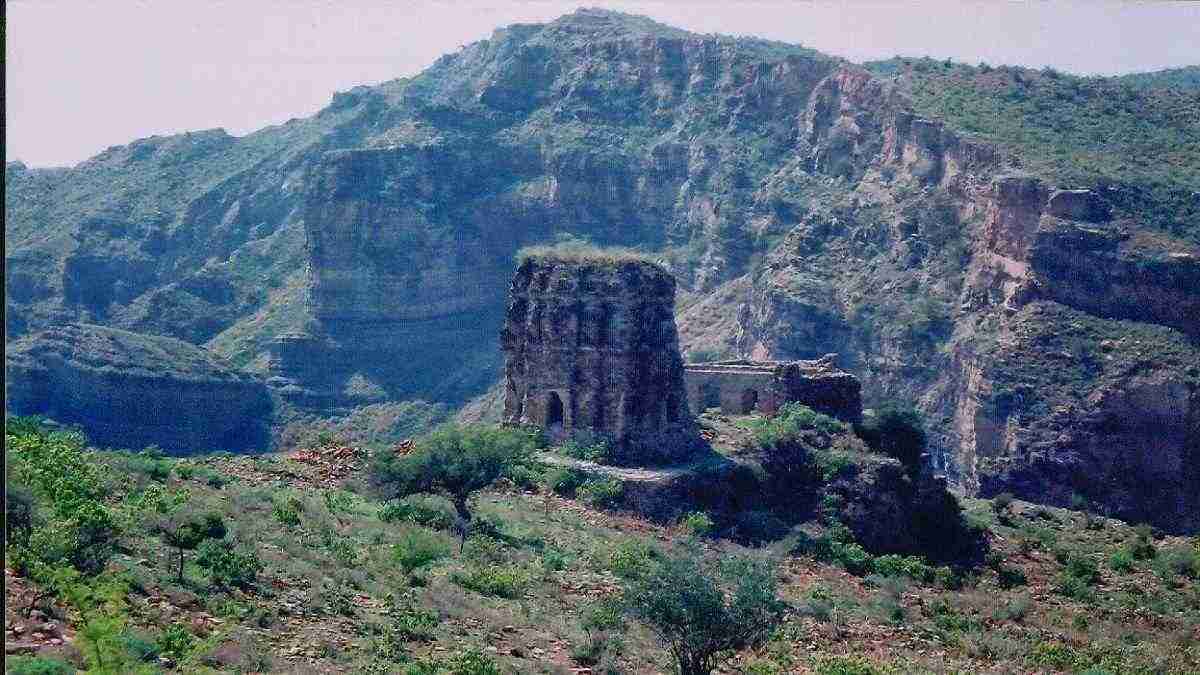
Al-Beruni Heritage Trail
Jhelum, Punajb, Pakistan